Showing posts with label electric toothbrush. Show all posts

Friday, September 29, 2017

Dental Hygiene Month - Brushing!

Happy National Dental Hygiene Month!

This week, we are going to focus on proper brushing techniques.

The ADA recommends brushing your teeth twice a day, for two minutes, with a soft-bristled brush. The size and shape of the brush should fit the mouth allowing you to reach all areas easily.
The proper brushing technique is to:
  1. Place your toothbrush at a 45 degree angle to the gums.
  2. Gently move the brush in a circular motion in short (tooth wide) strokes.
  3. Brush the outer surfaces, the inner surfaces, and the chewing surfaces of the teeth
  4. To clean the inside surfaces of the front teeth, tilt the brush vertically and brush with up and down strokes.
  5. Don't forget to brush your tongue to remove bacteria and keep your breath fresh!
We recommend a electric toothbrush for optimal results. Not only does it make your job easier by doing most of the work for you, most brands turn off when you press too hard. Pressing too hard can cause gum recession and lead to tooth sensitivity and expensive gum treatments.

Tips:
  • Set a timer and make sure you use a full 2 minutes to clean your teeth thoroughly.
  • Keep a spare toothbrush and travel toothpaste in your bag or briefcase just in case you forget to brush or end up taking an impromptu trip! (the free toothbrush and toothpaste you get at your dental cleaning would be perfect!)
  • Don't neglect your gums! Plaque tends to build up between the tooth and the gums and if left there can cause tooth decay and gum disease.
  • Invest in an electric toothbrush! Many people find that is worth it. You can find quality electric toothbrushes for as little as $20 to $120 depending on the features you desire. They come with their own timer, some connect to blue-tooth to map your progress on your phone, and some even light up when you are pressing too hard.

Ask your hygienist to give you feedback on your specific needs at your next dental cleaning. If you do not have a routine cleaning and exam on your calendar, give us a call at (281)646-8888!


Check back next week for flossing strategies and tips!

Friday, September 22, 2017

Brushing Off Cold and Flu Season: Tips for Toothbrush Care

Proper dental hygiene habits are important all year long, but good dentistry is even more vital during the winter months when various cold and flu bugs begin making the rounds. Cold and flu season typically starts in October in the United States so it is important to start taking steps to avoid it now rather than later. Practicing effective oral care will help prevent you from catching almost every illness that comes your way, but it all begins and ends at the bathroom sink.

Toothbrush Maintenance

When's the last time you replaced your toothbrush? If you're like millions of other Americans, it may be you don' t remember. But a clean, dry brush is the first defense against the cold and flu bugs of winter. One of the most important steps you can take to avoid catching cold and flu bugs involves the proper care and maintenance of your toothbrush.

The Vertical Rule


Any family dentist will tell you, a damp toothbrush creates the perfect environment for mold or bacteria to flourish. It's important to make sure your toothbrush has the opportunity to dry completely between brushing. And while this is relatively easy to do at home, it can be tricky for travelers. A good rule of thumb is to always prop your toothbrush vertically into a container of some sort, instead of laying it on the sink where water can pool beneath the bristles. At home, you can purchase a toothbrush holder that sits on the counter or some of them even attach to your mirror. If you are traveling, use a cup from the hotel or bring a plastic cup to hold your toothbrush upright.
A Clean Brush is a Happy Brush
The staff at your favorite dental office will be the first to remind you -- remember to rinse your toothbrush thoroughly after brushing. Additionally, it's a good idea to properly sanitize your brush from time to time. A few methods of sanitization to consider that will work wonders to kill the germs or bacteria lingering on your brush include:

  • Running it through the dishwasher in the silverware compartment on high heat with no soap
  • Soaking it in anti-bacterial mouthwash and thoroughly rinsing before the next use
  • Boiling it in water for 3 minutes
  • Zapping it in the microwave
  • Purchase a UV toothbrush sanitizer that uses a combination of steam and dry heat.

Replace, Don't Reuse

After a bout with any sort of viral or bacterial illness, toss out that toothbrush. Many infectious diseases including strep, oral herpes, and the flu are just waiting for the opportunity to reinfect you through the bristles on your tainted toothbrush.
Most people remember to do what's necessary to keep their smiles looking great -- flossing, brushing regularly, teeth whitening -- but not
everyone takes time to stop and think about the state of their toothbrush. The rule is to replace your toothbrush every 3-4 months so it is a good idea to replace your toothbrush every time the season changes. If it's been more than a season since you've given your toothbrush more than a cursory glance, it's time to step up your dental game and get a new one.


Prepare for the flu season ahead of time

  • Get a flu shot
  • Have extra toothbrushes to replace the old one
  • Stock up on supplies like tissues and medicine
  • Wash your hands regularly
  • Clean commonly used surfaces regularly
There is no sure way to avoid getting sick so you should to prepare for the worst and hope for the best. Then, if you do get sick, you will have the supplies to get better faster and be prepared to take the necessary measures to avoid being re-infected.

Friday, August 4, 2017

National Fresh Breath Day!

August 6th is National Fresh Breath Day! Today is a day to focus on oral health and care. We all enjoy a good cup of coffee or an extra garlic-y pasta dish but our friends might not enjoy our breath afterwords. It is easy to grab a sugary after dinner mint or chew a piece of gum but there are a few things you can do daily to manage your breath odor. In honor of Fresh Breath Day, here are few tips to keep your breath smelling fresh:


  1. Don't forget your vegetables!
    • Eating water-rich vegetables, such as leafy greens, can help keep your breath smelling clean. This is because the high water content helps with saliva production which reduces the ability of bad smelling bacteria to form in your mouth. 
  2. A clean tongue is a happy tongue!
    • There are many bacteria traps in our mouths and one big one is our tongues. Gunk gets trapped by the tiny buds causing bad breath. Ask your dentist for suggestions on tongue scrappers or simply brush your tongue (especially the back) with your tooth brush. For those of us with a sensitive gag reflex, try keeping your mouth mostly closed when you brush your tongue. A closed mouth naturally engages our swallowing reflex rather than our gagging reflex.
  3. Bring the essentials with you EVERYWHERE!
    • Always carry around a travel toothbrush, toothpaste, and floss (and even a tongue scraper) just in case! You never know when a friend will invite you to an Italian restaurant to split a deep dish pizza with extra garlic. Instead of masking the odor with a mint, get rid of bad breath with the right tools for the job.
  4. Drink more water!
    • As previously mentioned, water encourages saliva production and discourages bacteria build up. Unfortunately, many of us do not get enough water throughout the day. So kill bad breath and dehydration all at once! Keep a bottle of water at your desk or close at hand all day long. When you feel thirsty, don't just take a sip. Count to ten while you drink and when the bottle is empty fill it up again. This will help you get enough water all day long and encourage fresher breath!
  5. Say "no" to tobacco!
    • Just don't do it. Nothing about tobacco is good for you or your breath.
  6. Spend some time with your dentist!
    • Schedule regular dental cleanings and exams about every 6 months to maintain optimal dental health. If bad breath is a frequent issue, let your dentist know! It could be a serious issue like periodontal disease. Your dentist and dental hygienist can also give you other recommendations of rinses and toothpastes for your particular needs.
Have more questions and need more answers? Give us a call and make an appointment with one of our wonderful dentists and dental hygienists! (281)646-8888 Happy National Fresh Breath Day!

Tuesday, December 13, 2016

Electric Toothbrushes: Pros and Cons

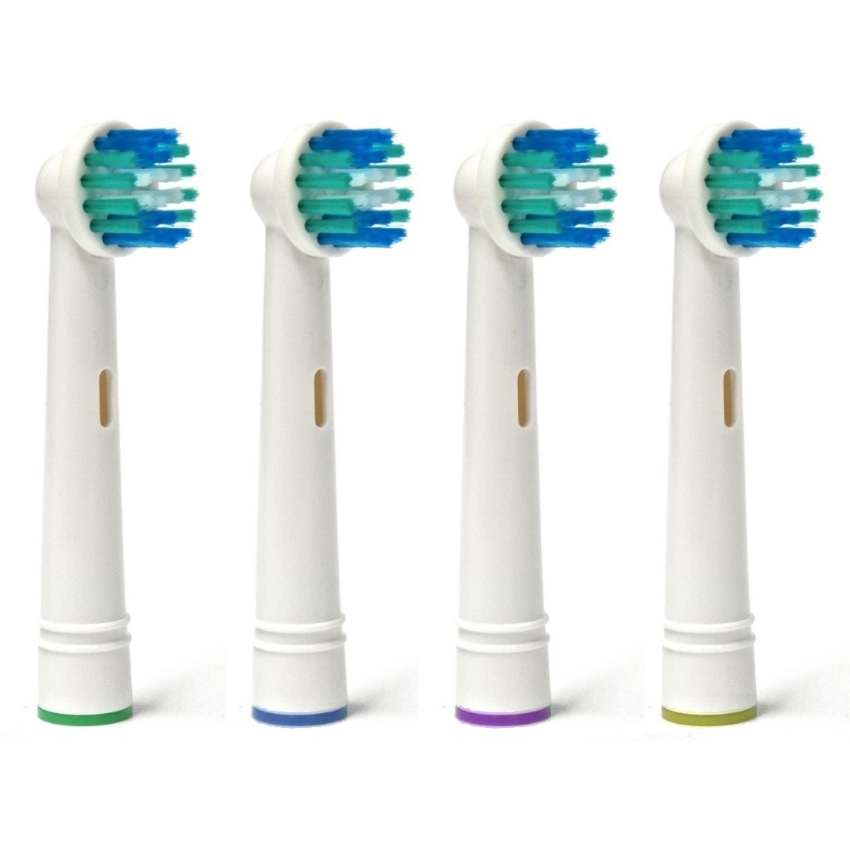
Today in 1937, Tomlinson I. Moseley invented the first electric toothbrush. While they look similar to today's version, electric toothbrushes have come a long way. If you have been to the dentist recently, your hygienist has likely recommended an electronic toothbrush or at least asked if you have one. This is because there are many benefits to using an electronic toothbrush along with proper brushing and flossing. If you are trying to decide if an electronic toothbrush is right for you, here are the pros and cons:

Pro: Does the work for you.

Because the brush head itself does most of the moving, the actual act of cleaning is mostly automated. The brush head is designed to remove plaque no matter which head type you choose. They are also designed to clean those hard to reach placed like at the gum line and back molars.

Pro: Takes the guesswork out of brushing.

Most brushers underestimate the time they spend brushing their teeth with a manual toothbrush. Electric toothbrushes come with a 2 minute timer that will buzz or beep when time is up. Many brushes also buzz or beep every 30 seconds to indicate it is time to switch to the next quadrant of teeth. As a matter of fact, some toothbrushes go so far as to include Bluetooth. This feature allows you to track the effectiveness of your tooth brushing through an app on your phone. Also, if you have a problem with brushing too hard, there are electronic toothbrushes that will buzz or turn off if you get a little carried away.

Pro: Easy for kids and people with dexterity issues.

For many parents, getting kids to brush their teeth is a pain. With an electric toothbrush, kids will find it easy and maybe even fun to brush their teeth! Also, people with arthritis, limited hand mobility, or other health issues will benefit from an electric toothbrush. While manual toothbrushes require much hand movement to be effective, electric toothbrushes only require you to hold the handle while the brush head does all the work.

Con: Bells and whistles can get expensive.

There are electric toothbrushes out there with an initial cost around $20, however, if you want some of the more special features, you are looking at over $100. While this may seem daunting, the initial cost may save money in the long run. The toothbrush head should be replaced every 3-6 months each costing only $2-5 depending on the type of brush head you like. Also, by using your electric toothbrush for 2 minutes twice daily, your teeth will stay healthier longer. This will avoid costly dental visits to fix or replace decayed teeth.

Con: Some camping trips do not come with power outlets.

Travel ability is tricky when it comes to electric toothbrushes. Some come with a convenient travel case and can hold a charge for a few days however they tend to spend most of their time tethered to a power outlet. This can inhibit their ability to be taken on some trips. Luckily, when you have your teeth cleaned at the dentist, you walk a way with a gift bag containing a manual toothbrush, a travel toothpaste, and floss. This back up toothbrush can come in handy on those trips where it is just not feasible to bring your electric toothbrush.

If you have any more questions about electronic toothbrushes, call us or ask your hygienist at your next appointment!