Tuesday, February 21, 2017

Coffee and Dental Health

Can drinking coffee actually be good for your teeth? According to Boston University researchers, it is highly possible. In a 2014 study conducted by the university's Henry M. Goldman School of Dental Medicine, it was determined that coffee drinkers are not compromising their dental health. According to their findings, even habitual coffee drinkers are not at an elevated risk of tooth bone loss. In addition to this, coffee contains beneficial antioxidants which may improve overall health and actually help fight gum disease.

About the Study

This Boston University study, published in the Journal of Periodontology, involved 1,152 white males, ranging from 26 to 84 years of age. Data were collected over a period of 30 years in order to determine what effects coffee can have on tooth loss. This study on the relationship of coffee and tooth decay is of great significance. This is mainly because it is the first long-term study to examine the relationship between coffee consumption and dental health. Drinking lots of coffee isn't likely to give you a sparkling white smile, but it appears that it doesn't affect whether you will need dentures down the road or not.

Antioxidants in Coffee

Medical Daily reports that coffee may even prevent tooth decay. DMD graduate Nathan Ng states, "We found that coffee consumption did not have an adverse effect on periodontal health and instead may have protective effects against periodontal disease."

Nearly two-thirds of Americans are habitual coffee drinkers. Medical Daily says that coffee is the source of most of America's daily antioxidant consumption. It reports that both regular and decaf coffee contain various antioxidants and anti-inflammatory ingredients.

According to WebMD, coffee contains special antioxidants called quinines. These antioxidants become even more potent during the roasting process. WebMD indicates that the ingredient that may be of particular benefit to dental health is known as trigonelline. This compound is what prevents dental caries and is the same thing that gives coffee its distinctive aroma.

Beware of Add-ins!


While there are plenty of benefits to drinking coffee, there are a couple ingredients that will combat the benefits of your morning cup of joe: milk and sugar. Excessive milk adds unnecessary fat content. For those that just like a splash of milk may not have a problem but there are some of us that just a splash of coffee in our milk. If you fall in that category, opt for a non-fat milk or milk substitute to cut down the fat. Another negative add-in is sugar. Sugar is what feeds the bacteria in your mouth. Drinking sugary drinks all day can lead to tooth decay resulting in cavities and expensive restorations or even tooth loss. These sugary drinks include coffee. Instead, opt for a sugar substitute or, if you enjoy your coffee with regular sugar, make sure to brush and floss 30 minutes after.

Worried About Staining?

Lucky for you, there are plenty of options along with regular brushing and flossing to keep your teeth pearly white. There are plenty of whitening toothpastes and whitening products at your local pharmacy or grocery store. For a more professional whitening, we carry professional grade Crest whitening strips as well as the KOR whitening system at our office. For more details, visit our website or give us a call at (281)646-8888.


 Source

http://dentistrytoday.com/todays-dental-news/10680-coffee-may-fight-gum-disease http://www.medicaldaily.com/drinking-coffee-may-curb-gum-disease-new-periodontal-disease-treatment-299610 http://www.webmd.com/diet/features/the-buzz-on-coffee

Monday, February 6, 2017

Refer a Friend, Enter to Win a Whitening Kit!

Enter to Win a Crest Whitestrips Kit!


For every friend of yours that comes to see us this month you will be entered to win a free Crest Whitestrips Supreme Professional Whitening Kit (an $80 retail value)! All your friends have to do is write your name in the "Referred By" section of their new patient paperwork at their appointment. That's it! You will automatically be entered into the drawing at the end of the month!


This promotion will be held every month while supplies last so don't wait! Good luck!

 **Winners will be contacted on the first business day of the following month to claim their prize. The prize will be help for the winner for 1 week (unless special arrangements are made). Should the prize not be claimed within the time frame, the prize will be forfeited. The person you refer must attend an appointment during this month and write your name on their new patient paper work in order for you to qualify. You must also be a patient of record. Each individual referral is equal to one entrance into the monthly drawing. Please call us at (281)646-8888 or email marketing at kvesel@kingslanddentalgroup.com with any questions.

Thursday, January 19, 2017

National Popcorn Day!


Popcorn is a universal snack that anyone can enjoy. From sweet to salty and every flavor in between, popcorn is a staple whether you are watching a good movie or just having a snack. But everything good comes with a price! Popcorns price are those pesky kernels that get stuck in your teeth. Not only is it annoying, food debris like popcorn kernels that are left in your gums attract bacteria and could lead to a serious infection. So in honor of National Popcorn Day, here are a few tips and tricks to removing an unwanted kernel from your teeth:

Brush and floss!

First, try brushing your teeth. The bristles are designed to remove debris from your teeth and gums. You can also use floss to get between your teeth and gums. Gently work the floss between your tooth and gums. Use a forward and backward motion or up and down motion keeping the floss against your tooth to dislodge the popcorn kernel. Rinse with water when you are finished to make sure the kernel does not stay in your mouth where it can get lodged again.

No toothbrush or floss on hand? Here are a few more options:

·         Use your tongue: Gently stroke your tongue against your tooth to work the kernel out of your gums.

·         Rinse with water: if you have salt on hand dissolve a teaspoon of water in a glass of warm water and swish it around in your mouth. Regular water may work just fine to jostle the kernel loose but the salt will help ease inflammation of your gums.

·         Use a toothpick or fingernail: remember to be very gentle when using this method. Aggressive use of a toothpick can cause damage to your gums making them even more inflamed and ultimately make the problem worse.

If all else fails or the popcorn is lodged in an area unreachable to you, such as under dental work like a bridge or crown, call our office to see your dentist! It is nothing we haven’t seen before and we have special instruments to get into those hard to reach places. If you have any questions, feel free to give us a call at (281)646-8888.

So don’t worry about kernels, have your popcorn and eat it too in celebration of National Popcorn Day!

Tuesday, December 13, 2016

Electric Toothbrushes: Pros and Cons

Today in 1937, Tomlinson I. Moseley invented the first electric toothbrush. While they look similar to today's version, electric toothbrushes have come a long way. If you have been to the dentist recently, your hygienist has likely recommended an electronic toothbrush or at least asked if you have one. This is because there are many benefits to using an electronic toothbrush along with proper brushing and flossing. If you are trying to decide if an electronic toothbrush is right for you, here are the pros and cons:

Pro: Does the work for you.

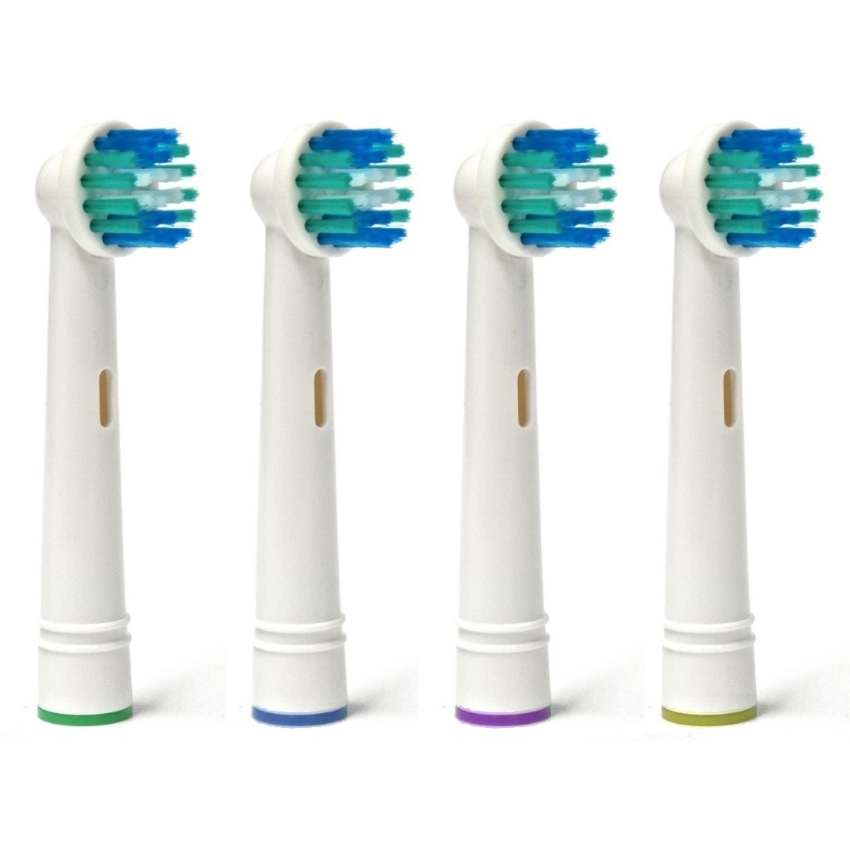
Because the brush head itself does most of the moving, the actual act of cleaning is mostly automated. The brush head is designed to remove plaque no matter which head type you choose. They are also designed to clean those hard to reach placed like at the gum line and back molars.

Pro: Takes the guesswork out of brushing.

Most brushers underestimate the time they spend brushing their teeth with a manual toothbrush. Electric toothbrushes come with a 2 minute timer that will buzz or beep when time is up. Many brushes also buzz or beep every 30 seconds to indicate it is time to switch to the next quadrant of teeth. As a matter of fact, some toothbrushes go so far as to include Bluetooth. This feature allows you to track the effectiveness of your tooth brushing through an app on your phone. Also, if you have a problem with brushing too hard, there are electronic toothbrushes that will buzz or turn off if you get a little carried away.

Pro: Easy for kids and people with dexterity issues.

For many parents, getting kids to brush their teeth is a pain. With an electric toothbrush, kids will find it easy and maybe even fun to brush their teeth! Also, people with arthritis, limited hand mobility, or other health issues will benefit from an electric toothbrush. While manual toothbrushes require much hand movement to be effective, electric toothbrushes only require you to hold the handle while the brush head does all the work.

Con: Bells and whistles can get expensive.

There are electric toothbrushes out there with an initial cost around $20, however, if you want some of the more special features, you are looking at over $100. While this may seem daunting, the initial cost may save money in the long run. The toothbrush head should be replaced every 3-6 months each costing only $2-5 depending on the type of brush head you like. Also, by using your electric toothbrush for 2 minutes twice daily, your teeth will stay healthier longer. This will avoid costly dental visits to fix or replace decayed teeth.

Con: Some camping trips do not come with power outlets.

Travel ability is tricky when it comes to electric toothbrushes. Some come with a convenient travel case and can hold a charge for a few days however they tend to spend most of their time tethered to a power outlet. This can inhibit their ability to be taken on some trips. Luckily, when you have your teeth cleaned at the dentist, you walk a way with a gift bag containing a manual toothbrush, a travel toothpaste, and floss. This back up toothbrush can come in handy on those trips where it is just not feasible to bring your electric toothbrush.

If you have any more questions about electronic toothbrushes, call us or ask your hygienist at your next appointment!

Monday, November 21, 2016

Thanksgiving: Tips for a Tooth-Friendly Holiday


Ah, Thanksgiving: a day of turkey with stuffing, mashed potatoes and sweets like pecan or pumpkin pie. Although a happy occasion to celebrate all that you are thankful for, your family dentist will tell you the holiday can be hard on your teeth, as many of the favorite dishes are high in sugar or tend to be the starchy sort that clings to the teeth. You can still have a delicious feast with a few slight modifications to the menu.


Give Your Mouth a Head Start with These Healthy Starters:
Appetizers of raw vegetables, cheese and mixed nuts are a good choice for your teeth. All of these increase saliva production, which helps to wash away the bacteria that might otherwise increase the risk of cavities. With nuts and cheese, you get the additional benefit of calcium and other minerals that help strengthen your teeth.
Let These Fruits Fight for You:
Cranberry sauce might be a decay-fighter, according to some new research from the University of Rochester. Bacteria in your mouth feed on sugar to create plaque, the thick, sticky substance on your teeth that promotes tooth decay. Researchers found cranberries can disrupt the enzymes used by these bacteria. Acid in the mouth is another decay-promoter, but fresh pears can neutralize that acid. Try some sliced pears in a fruit salad (skip the sugar and rely on the fruit’s natural sweetness) or drizzled with just a little honey as a seasonal dessert.
Be Thankful for These Drink Options:
Tap water and tea help keep the teeth clean. Green and black tea can also kill bacteria, so they’re a good choice for a holiday beverage. For the adults, red wine is another drink that attacks bacteria in the mouth.
Keep It Clean:
Don’t neglect your regular routine of oral care during the holidays, as the bacteria aren’t going to take the day off. Ideally, if you are traveling for Thanksgiving, you have a toothbrush and floss stashed away in your purse or car glove box. But even if you’re dining away from home, take a few minutes after the meal to rinse your mouth with water. That will help hold you until you get home and can floss and brush your teeth. If you have any questions about how to care for teeth, call us at Kingsland Dental Group or schedule an appointment for your regular cleaning!
Happy Thanksgiving!


Monday, October 31, 2016

Halloween Candy: The Good and The Ghoulish


While ghosts and zombies are scary, there is something even scarier in your trick or treat bags: candy. It's almost impossible to avoid eating candy this time of year, but it doesn't have to be loaded with sugar. Here's a little information about the worst candies for your teeth and some of the better alternatives.

The Scary Sweets

Candy Corn, Candy Apples, Cookies, and Cake

Halloween would truly be scary without candy corn, candy apples, and all of the other sweet treats. While these treats may be tasty, they can and will wreak havoc on your teeth. These treats are loaded with huge amounts of sugar, which leads to tooth decay and cavities.

Sour Candies


Although sour treats may make your mouth pucker, they also can quickly destroy the enamel on teeth because of their high acidity level. In addition, you should wait at least 30 minutes for the saliva to restore the pH in your mouth before you brush. Brushing before 30 minutes have passed would simply spread the acid on a larger surface area and bolster the erosive capabilities of the acid.

Taffy, Caramel, and Sticky Sweets

Unlike other candies, gummy candies easily become lodged between teeth and in crevices. Once it's lodged in these hidden places, it becomes practically impossible for the saliva in your mouth to wash the particles away. As a result, the sugary treats will form cavities.


Not-so-scary Treats

Sugar-Free Gum

The best alternative for your teeth is sugar-free gum for two reasons:

·         It dislodges particles of food from between your teeth

·         It increases saliva production in your mouth

Saliva is instrumental for neutralizing the acids, and it will prevent those acids from eroding your teeth and causing tooth decay. Saliva also prevents mouth dryness; and when your mouth is dry, plaque is much more likely to build up at a faster rate.

Dark Chocolate

Even though dark chocolate is loaded with sugar, it wont stick to your teeth. As a result, chocolate is not such a bad option as a sweet Halloween treat.

Sugar-Free Candy

Hard candies and sugar-free candy will help your mouth to create more saliva, which is essential for a healthy, cavity-free Halloween smile that's not so scary.


So, even if you splurge on a sweet treat, remember to take care of your teeth. Brush and floss daily and don't forget to visit your dentist for regular cleanings and check-ups! Have questions or need to schedule an appointment? Contact us and we will be happy to help!

Have a Safe & Happy Halloween!


Wednesday, October 19, 2016

Tips to Prevent Cavities in Infants

Parents always want the best for their babies. When it comes to oral health, cavities are the most common issue for children. Luckily there are things moms and dads can do to help prevent cavities, starting very early in an infant’s life.

In fact, your child's oral care starts even before he or she is born! The best thing a pregnant mom can do for her child's teeth is to take care of her own. Continuing with routine dental care is a safe and effective way to protect your baby’s future oral health. 

Infant Oral Health

Once born, protecting your baby's teeth and gums should become a regular routine. Cavities occur when a certain type of bacteria in the mouth builds up, causing the tooth to decay. You can remove this harmful bacteria by gently wiping your baby's gums after feedings. 

Many parents lick or suck their baby’s pacifier in their own mouths when it is dropped in an effort to clean it off before putting it back in baby’s mouth. However, this increases the risk of transferring cavity-causing bacteria from mom or dad’s mouth to the baby's. Rinsing it off with water is a better way to protect the baby’s new teeth, even before they appear.

The First Teeth

You should continue to wipe your baby's gums after meals. Once his or her first tooth appears, you can use a very small amount — the size of a grain of rice — of baby toothpaste and a soft baby toothbrush on the new teeth to get your little one used to brushing. Gentle flossing is great, too!

If your baby is old enough to hold a bottle, resist the urge to allow him or her to take a bottle to bed. Whether the bottle contains formula or breast milk, the liquid will be left sitting on your baby's teeth all night. This promotes bacterial growth that can result in cavities. You also should avoid giving your young child sugary drinks, and only offer juice in a sippy cup occasionally.

Once teeth appear, your baby should see a pediatric dentist. Call today to schedule your baby’s first appointment and let us help you make sure his or her teeth stay cavity free!